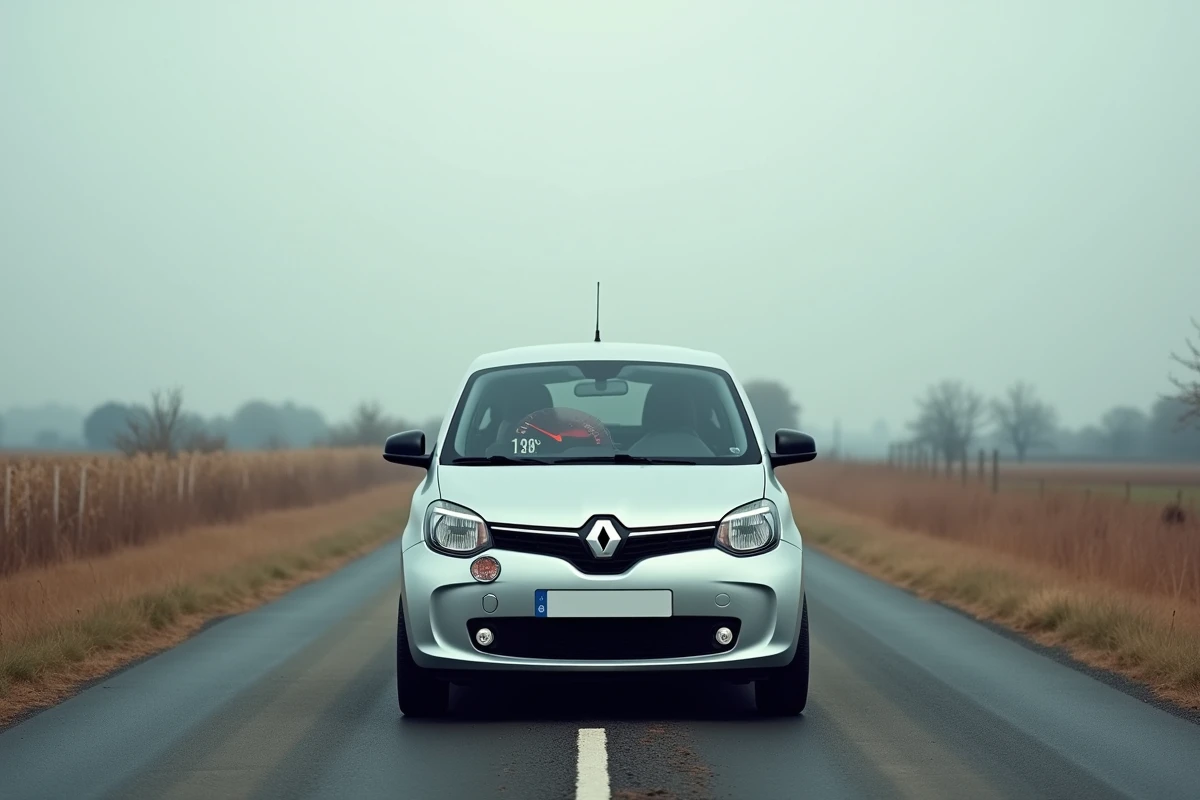
The Renault Twingo 2 petrol has a fuel tank capacity of 45 liters. When the low fuel warning light comes on, there are approximately 6 to 8 liters of usable fuel left. This margin provides a theoretical range that varies depending on the engine type, the type of journey, and external conditions, but it does not constitute a comfort zone for the engine or the fuel pump.
Fuel pump and reserve: how wear affects the Twingo 2
In city cars of this generation, the fuel pump is submerged in the tank. The fuel acts as both a lubricant and a coolant for this pump. When the level drops below the reserve threshold, the pump runs partially dry and heats up more.
In a recent vehicle, the impact remains limited if the episode is occasional. In an aging Twingo 2, the situation is different. Since 2024, specialized forums have reported a notable increase in fuel pump failures related to repeated use of the reserve. The age of the components amplifies the vulnerability.
To delve deeper into the subject, a detailed guide on the reserve range of the Twingo 2 petrol compiles field feedback by engine type.
High-speed vibrations add an aggravating factor. Several user experiences on petrol city cars of this generation indicate that the submerged pump of the Twingo 2 handles highway demands less well than competitors like the Peugeot 107. In the city, the reserve range remains higher, but it decreases on fast roads.
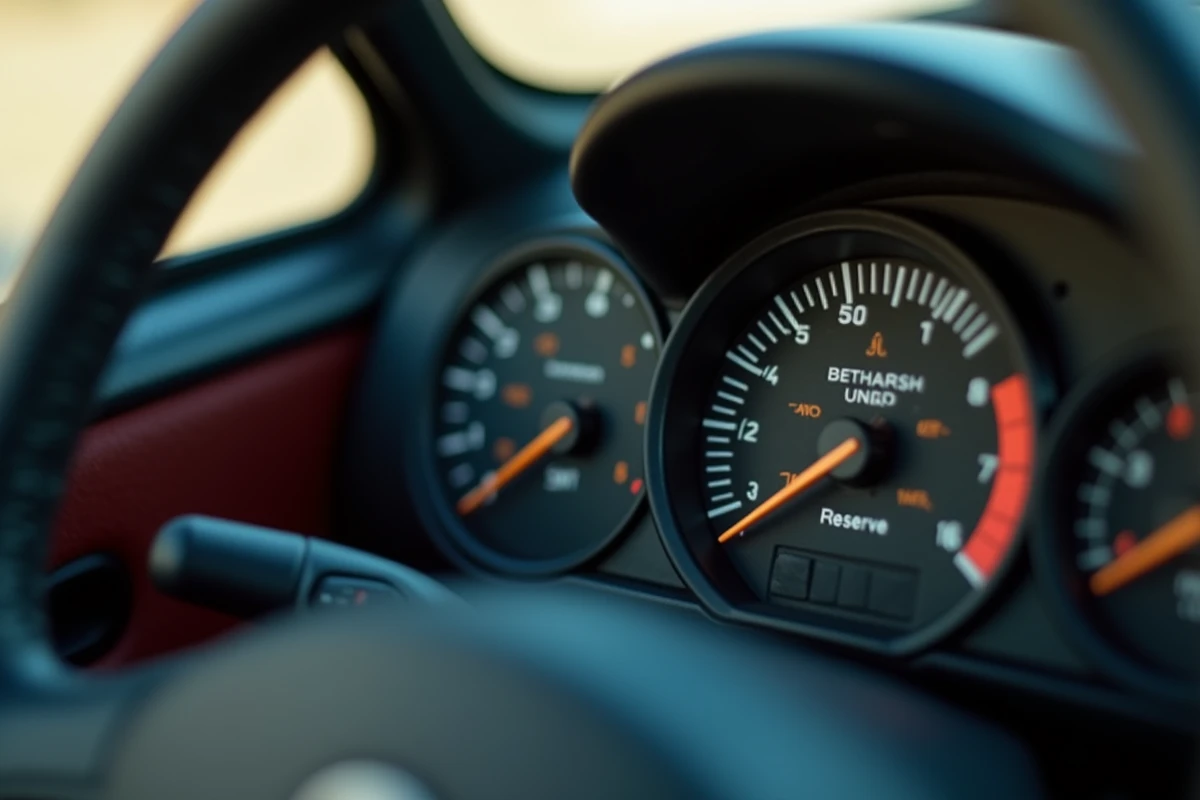
Actual reserve range of the Twingo 2 petrol under various conditions
With 6 to 8 liters remaining and an average consumption in mixed cycle, the distance that can be traveled falls within a range that depends on three main parameters: the type of road, the outside temperature, and the driving style.
Urban journey versus highway
In the city, the Twingo 2 consumes more per liter for 100 km than in stabilized cycle, but the reduced speed extends the duration of use of the remaining fuel. On the highway, consumption rises and the reserve depletes faster. A driver accustomed to urban journeys who extrapolates their range for a highway trip risks an unpleasant surprise.
Effect of cold on reserve consumption
Testimonies collected on the Planète Renault forum between November 2025 and April 2026 indicate a real range reduced by 20 to 30% in cold weather. The increased viscosity of gasoline at low temperatures raises consumption. Manufacturer tests, conducted under optimal conditions, do not reflect this winter reality.
A driver who travels several dozen kilometers on reserve in mild weather may find themselves running out of fuel much sooner during a freezing episode.
Twingo 2 converted to LPG: adapting reserve habits
An increasing number of Twingo 2 petrol vehicles now run on dual-fuel petrol/LPG. This conversion significantly changes the management of the reserve.
Two tanks, two reserve logics
A Twingo 2 equipped with an LPG kit has a separate LPG tank, often installed in place of the spare wheel. The vehicle starts on petrol and then switches to LPG once the engine is warm. The reserve warning light on the dashboard only pertains to the original petrol tank.
- The petrol reserve warning light comes on even if the LPG tank is full, which can create a false sense of urgency or, conversely, an excess of confidence if the driver forgets to check the separate LPG level.
- The LPG gauge, added during the conversion, uses an independent sensor whose accuracy varies depending on the installer. Some kits display an approximate level with only three or four segments.
- The automatic switch from LPG to petrol in case of an empty LPG tank occurs without a specific alert on the Twingo 2. The driver may consume their petrol reserve without realizing it immediately.
Cumulative risk on the petrol pump
In dual-fuel operation, the engine primarily runs on LPG. The petrol fuel stagnates longer in the tank. This less-frequently renewed petrol ages, and degraded fuel accelerates the clogging of the pump already weakened by chronic low levels.
For a converted vehicle, regularly driving a full tank of petrol (not just on reserve) helps renew the fuel and keeps the submerged pump in a sufficient volume. Relying solely on LPG while maintaining a permanent bottom of petrol in the tank amounts to combining two wear factors.
Concrete reflexes to preserve the engine and avoid breakdowns
The reserve warning light of the Twingo 2 relies on a float sensor whose accuracy remains limited. Since 2025, European regulations have mandated more reliable level sensors on new vehicles, but the Twingo 2 does not benefit from this. The threshold for the warning light can vary by a few liters from one vehicle to another.
- Refuel as soon as the warning light comes on, without waiting to drive “a little more.” Every kilometer on reserve stresses the pump beyond its normal conditions.
- Avoid hard accelerations when the level is low: they cause fuel movements in the tank that can temporarily uncover the pump.
- In winter, allow for a greater margin than in fine weather, due to the overconsumption linked to the cold.
- On a Twingo 2 LPG, check both gauges before each trip and run a full tank of petrol at least once a month.
The reserve of the Twingo 2 remains a safety net, not a driving habit. On a model that is often over ten years old, the sensor’s margin of error and component fatigue reduce the comfort window. Keeping a quarter tank as a minimum threshold on a daily basis remains the simplest way to preserve the pump and avoid stopping by the roadside.