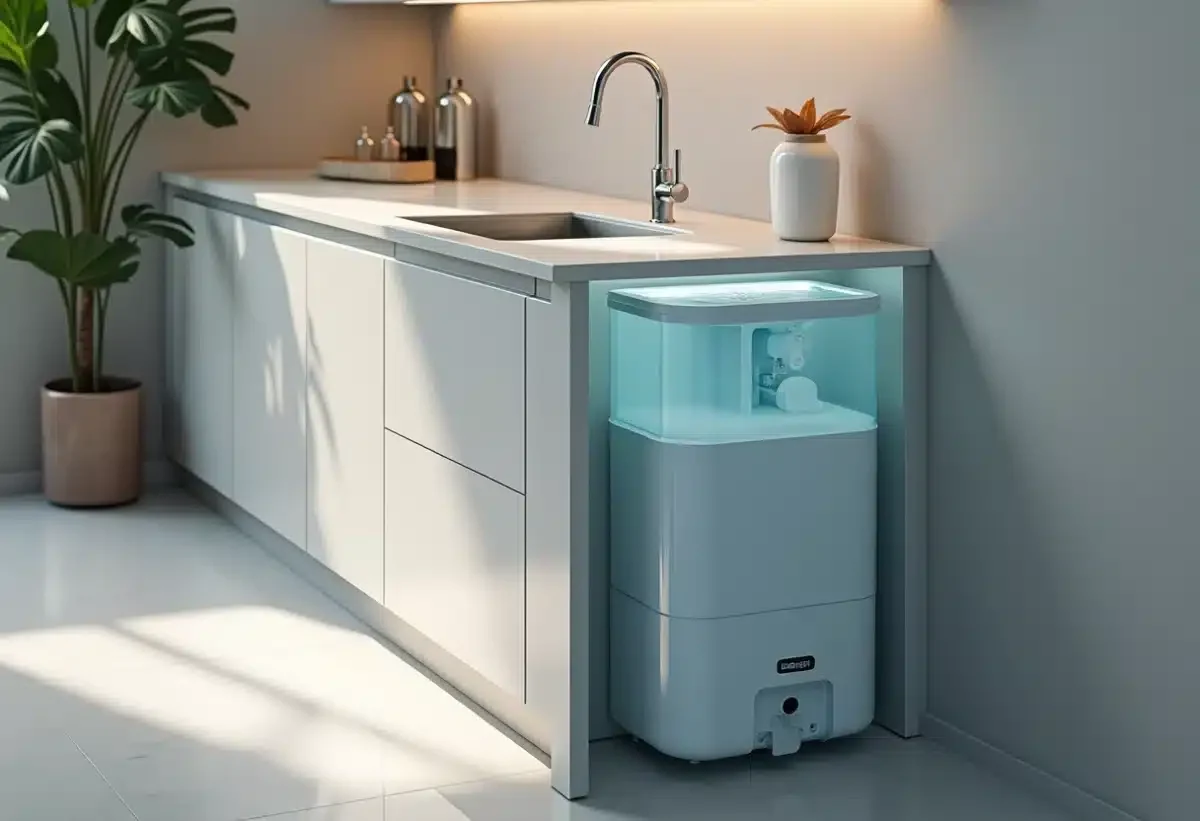
In times of resource scarcity, water management at home is becoming increasingly important. Households are seeking solutions to optimize their consumption and reduce their environmental impact. Among these alternatives, water storage stands out for its effectiveness and simplicity.
Investing in rainwater harvesting and storage systems can transform a home into a model of sustainability. Tanks, underground reservoirs, and rain barrels are among the common options. Each solution has distinct advantages and can adapt to different needs and budgets, allowing everyone to contribute to the preservation of this precious resource.
The different types of home water storage solutions
Optimizing water use at home involves making wise choices about storage solutions. Several options are available to households looking to better manage this essential resource.
Water tanks
Water tanks are used to store large quantities of potable or non-potable water. They can be installed inside or outside the home. Their capacity varies according to needs, ranging from a few hundred to several thousand liters.
Cisterns
Cisterns, often underground or above ground, are ideal for rainwater storage. They are discreet and allow for efficient use of space. These solutions are particularly suitable for large areas and intensive usage.
Tanks
Tanks, such as the Cuve-Expert water tank, are often made of plastic or metal. They offer installation flexibility and can be used for various types of water storage, whether for gardening, cleaning, or even consumption after treatment.
Rain barrels
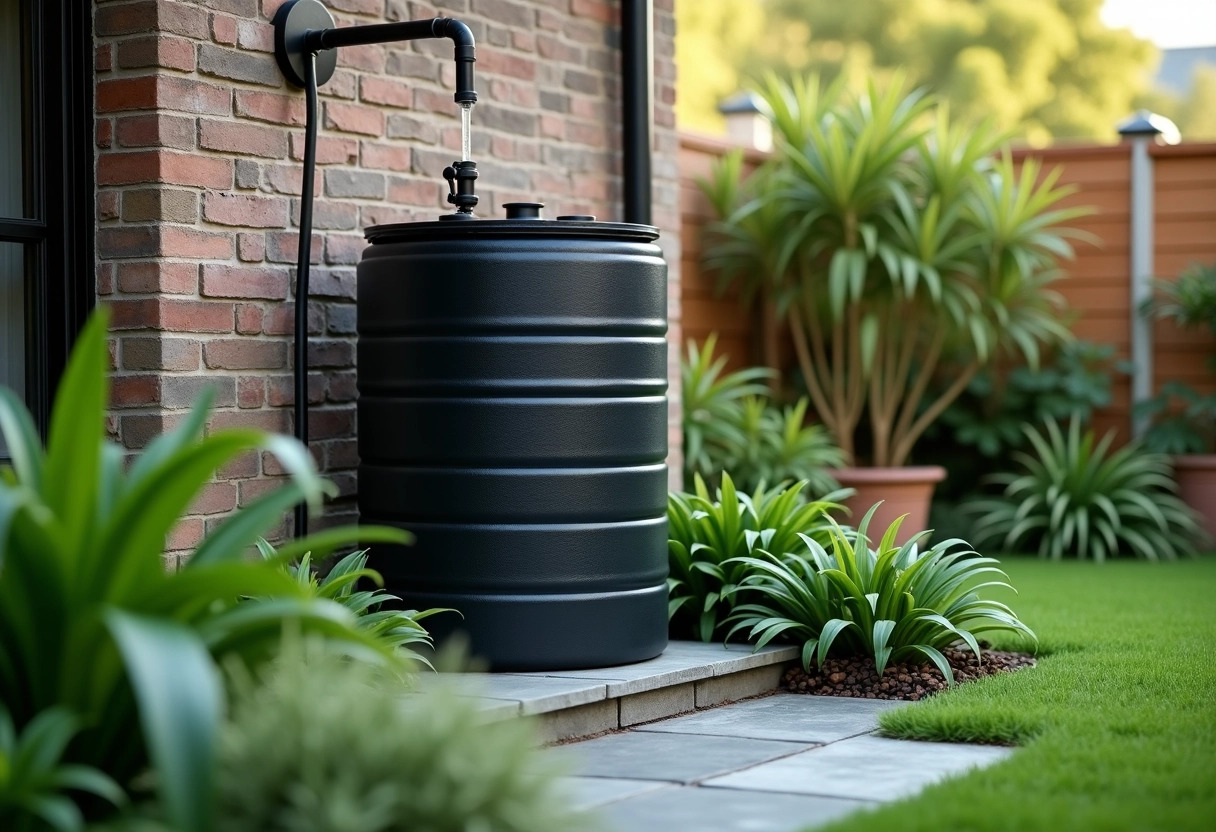
Rain barrels collect water from roofs for later use in gardening. Simple and economical, this solution is easily accessible for small gardens and plant enthusiasts.
Rainwater harvesting systems
Rainwater harvesting systems include filters and pumps to make the water usable. They allow for the filtration and treatment of collected water to make it suitable for various domestic uses. These systems represent a sustainable investment for optimal water management.
Criteria for choosing the best water storage solution
Capacity
The capacity of a water storage solution depends on the amount of water you wish to store. For domestic use, consider the number of people in the household and the intended uses: gardening, consumption, cleaning, etc. A realistic estimate of your needs will help you choose an appropriate tank or cistern.
Material
The material affects the durability and quality of the stored water. Plastic tanks are often more economical and lightweight, while metal tanks offer increased robustness. The materials should also be resistant to UV rays and varying weather conditions to ensure the longevity of the system.
Location
The location determines the ease of access and the efficiency of the system. Underground cisterns are discreet and save space, but require excavation work. Above-ground tanks, on the other hand, are easier to install but can be bulky. Consider the available space and the layout of your property.
Cost
The cost varies depending on size, material, and additional features. Rainwater harvesting systems, for example, may include filters and pumps, thus increasing the initial budget. Evaluate the value for money and potential savings on your water bill to justify the investment.
Maintenance
Maintenance is necessary to ensure the longevity and quality of the stored water. Tanks and cisterns need to be cleaned regularly to prevent bacterial growth. Filtration and pumping systems also require periodic maintenance. Rigorous upkeep ensures optimal use and better quality water.
- Capacity: assess your water needs.
- Material: choose based on durability and water quality.
- Location: optimize installation based on your available space.
- Cost: consider all features and potential savings.
- Maintenance: plan for regular upkeep.