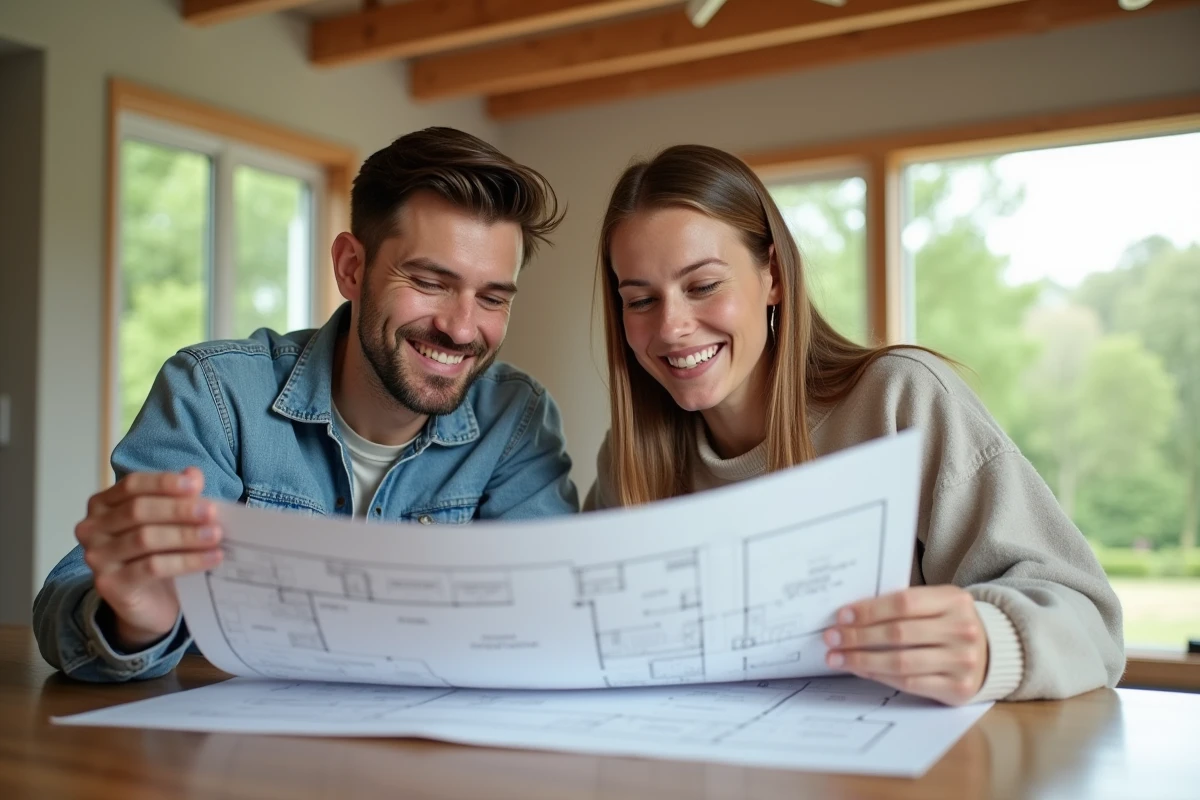
A construction site that starts without a permit runs the risk of seeing machinery stop abruptly from one day to the next. Nothing is ever automatic in building a house: each municipality, each plot imposes its own rules. Surface area, nature of the structure, local peculiarities… Navigating the administrative maze quickly becomes a necessary passage, even for the most seasoned.
From the quest for financing to managing unforeseen technical issues of the land, each step brings its share of challenges. And what is often overlooked is the need to foster cohesion among the various craftsmen and experts. This is what makes the difference between a smooth project and a prolonged construction site.
What you need to know before embarking on building your house
Before any steps, lay the foundations of your dream home. It’s not just a sketch or a collection of walls. Think about the whole: land, budget, borrowing capacity, but also compliance with RE2020 standards and, why not, NF Habitat certification. These choices will have a direct impact on your quality of life, the future value of the property, and the thermal performance of your home.
The sector chosen to build your house will often guide the architectural style, materials, and integration into the landscape. Aim to create a coherent whole: orientation of the house, access, proximity to transport or schools, neighborhood ambiance. From the design stage, think about the materials and their robustness. Installing a heat pump, solar panels, or a home automation system is not just a technical detail; it’s a real asset for comfort and daily management.
To refine your project, rely on solid references such as https://idylle-habitat.fr/. This allows you to confront your ideas, save time, and avoid many pitfalls. Surrounding yourself with experts, from the first contact, helps anticipate constraints, optimize each phase, from earthworks to finishing touches. A methodical preparation, without overlooking anything—financing, urban planning rules, land choice, design—remains the best guarantee that the dream does not fall short.
What are the essential steps for a project without unpleasant surprises?
Preparation and compliance: the foundation of the project
Everything begins with the purchase of the land through a soil study. This diagnosis helps prevent major disorders and adapt the foundations to the reality of the subsoil. Next comes infrastructure development: the land must be connected to water, electricity, gas, sanitation, and install the ventilation system. The order of these interventions depends on the land but also on the deadlines imposed by the environment and existing networks.
Building permit and professional oversight
The request for a building permit from the town hall is essential: it is the administrative green light that proves the project complies with the local urban plan and current regulations. Hire an architect or a project manager; they take charge of the design, anticipate technical constraints, and coordinate each actor on the site. The construction contract sets the commitments: deadlines, quality of materials, coordination, but also legal guarantees like the ten-year guarantee.
Here are the major steps never to neglect during construction:
- Site visits: follow the progress, note any reservations, and adjust if necessary.
- Completion of work: a pivotal moment. It triggers the two-year guarantee on equipment and the guarantee of perfect completion to correct any apparent disorders.
- Exterior development and green spaces: the final touch that enhances the house and ensures good integration into its environment.
Every choice, every step, weighs on the durability of the housing. Monitoring compliance, legal coverage, level of execution requirements: all of this shapes the success of the project.
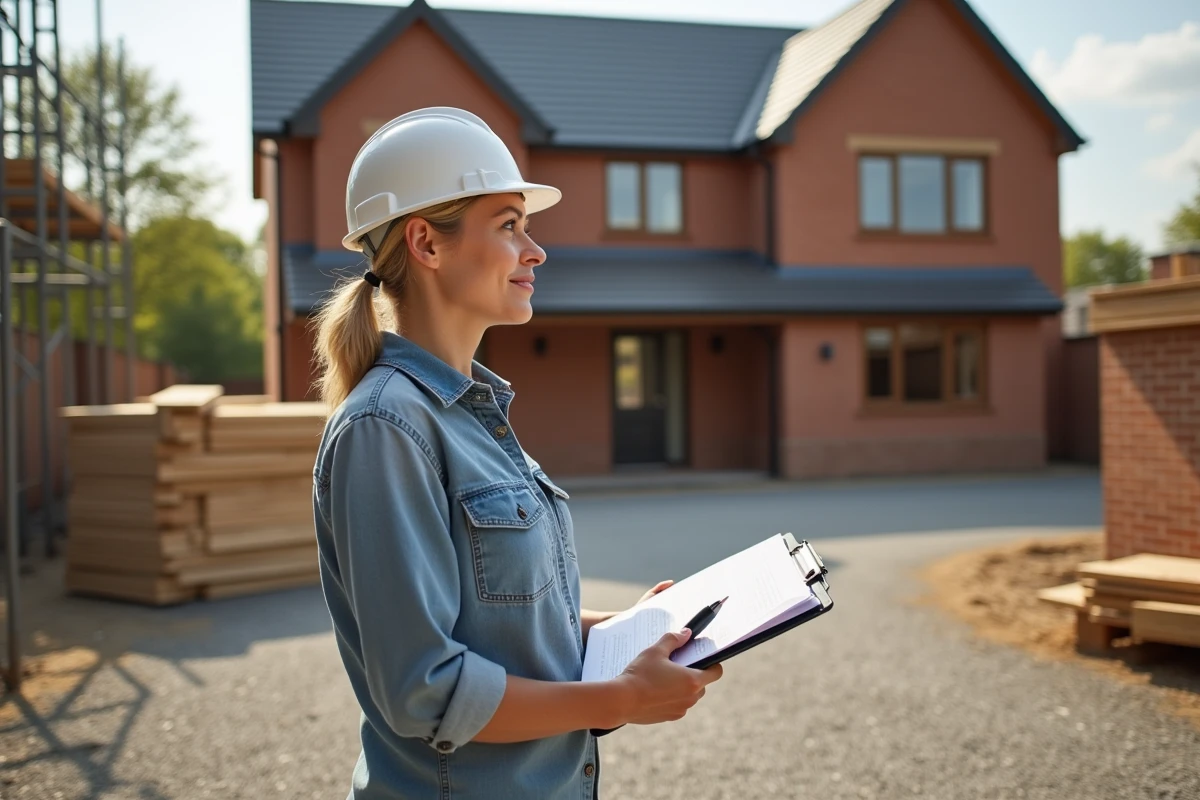
Practical tips for successfully navigating each phase and surrounding yourself with the right professionals
Anticipate financing and secure each step
For a robust construction project, financing must be treated as a priority. A mortgage broker allows you to go further: they negotiate with banks, find the best conditions, and inform you about the various government aids available. A well-constructed budget also includes accounting for all expenses: notary fees, infrastructure development, taxes, finishing touches; every line must be anticipated to avoid unpleasant surprises.
Respect standards, enhance your investment
Compliance with RE2020 standards and NF Habitat certification (issued by CERQUAL Qualitel Certification) ensures a building that performs well in terms of energy and is healthy for its occupants. Invest in responsible materials, plan for renewable energy systems, and install a home automation system that simplifies the management of heating, lighting, or security.
To surround yourself well, here are some concrete recommendations:
- Choose an experienced architect or project manager: they orchestrate the site and ensure compliance with the initial project.
- Plan regular site visits to keep track of progress, communicate with craftsmen, and make adjustments as needed.
- Consult an interior decorator: they optimize layout, enhance spaces, and refine finishes, from the living room to the garden.
Building your house is an adventure filled with decisions, anticipation, and demands. With the right support, every obstacle becomes a milestone, and the dream home takes shape, solid and durable, reflecting your ambitions.